Ecological Horizon
Ecological horizons appear with shutai‘s confrontation with modernity, defined as a sense of alienation from nature which encompasses our relation to our bodies and to other biotic entities, our ecologically embedded relationships and environmental habitats.
Ecological horizons refer to the intentional, linguistically mediated constitution of the environment. Intentionality is guided by the structure of the Japanese language as I discuss below, but it is its intentional use that constitutes what James J. Gibson calls an ‘environment’ or stable patterns in the optic array (how light reaches the eye) structured by a medium, substances, and surfaces into a human and humanizing world.
Ecological horizons are where worlding happens by shutai, sozai, and bamen. National Language scholar and Linguist Tokieda Motoki identified them as the three core elements that structure the Japanese language. These concepts enable Japanese speakers to act upon, interact with, and transform their environment into an ecologically meaningful horizon.
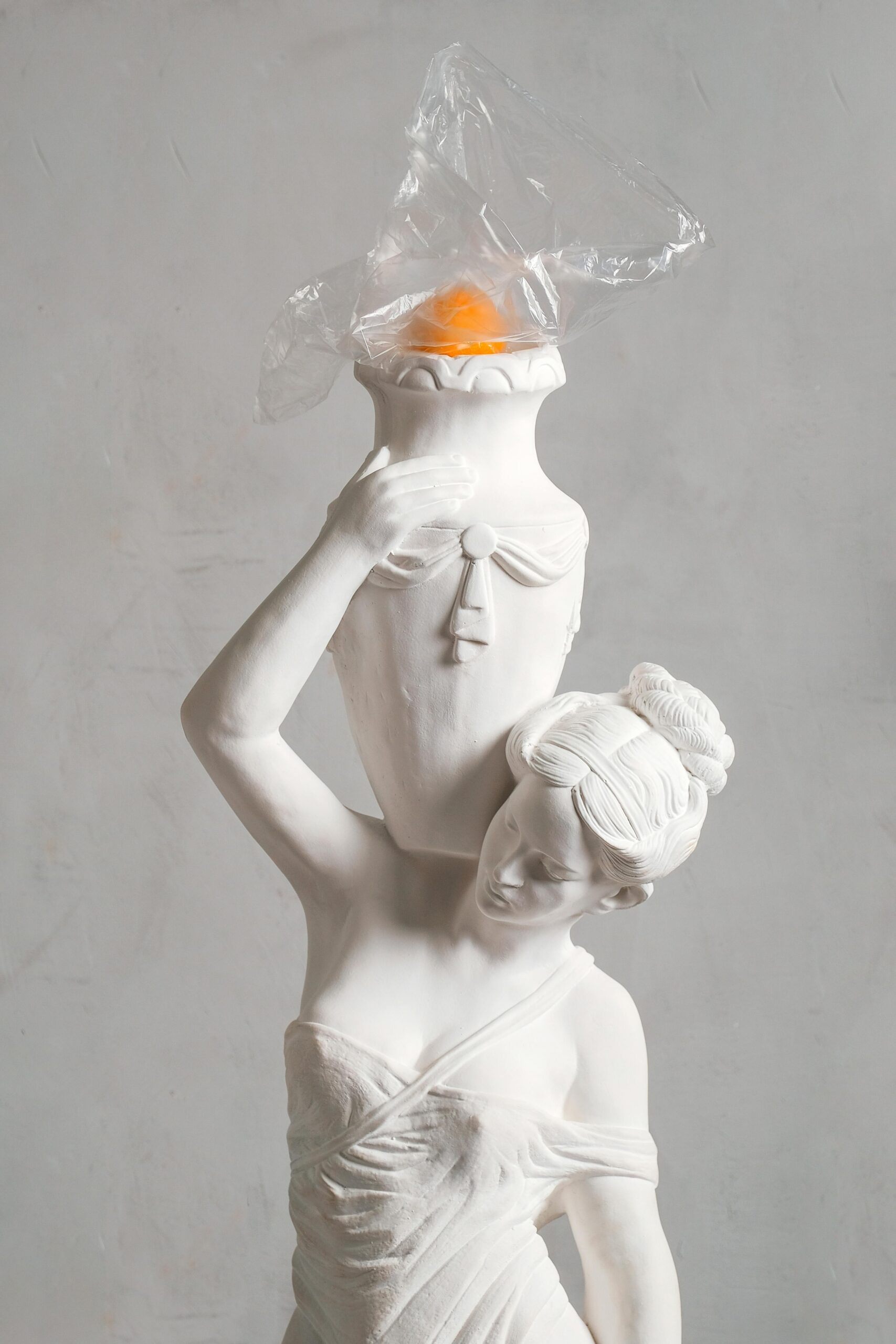
SHUTAI - LOCUS OF ACTIVITY
Just as air and water serve as a medium for terrestrial and aquatic organisms to live and move, shutai is the medium for humans to become a self-conscious and mindful person.
According to Tokieda, shutai is the locus of linguistic activity and experience. Moreover, Tokieda argues that linguistic activity integrates all of our physical activities including biological, neurological, and psychological activities.
As a a locus of linguistic/physical activity, shutai constitutes the person in his or her environment. In doing so, shutai also brings the environment into the person’s horizon as a field of practice.
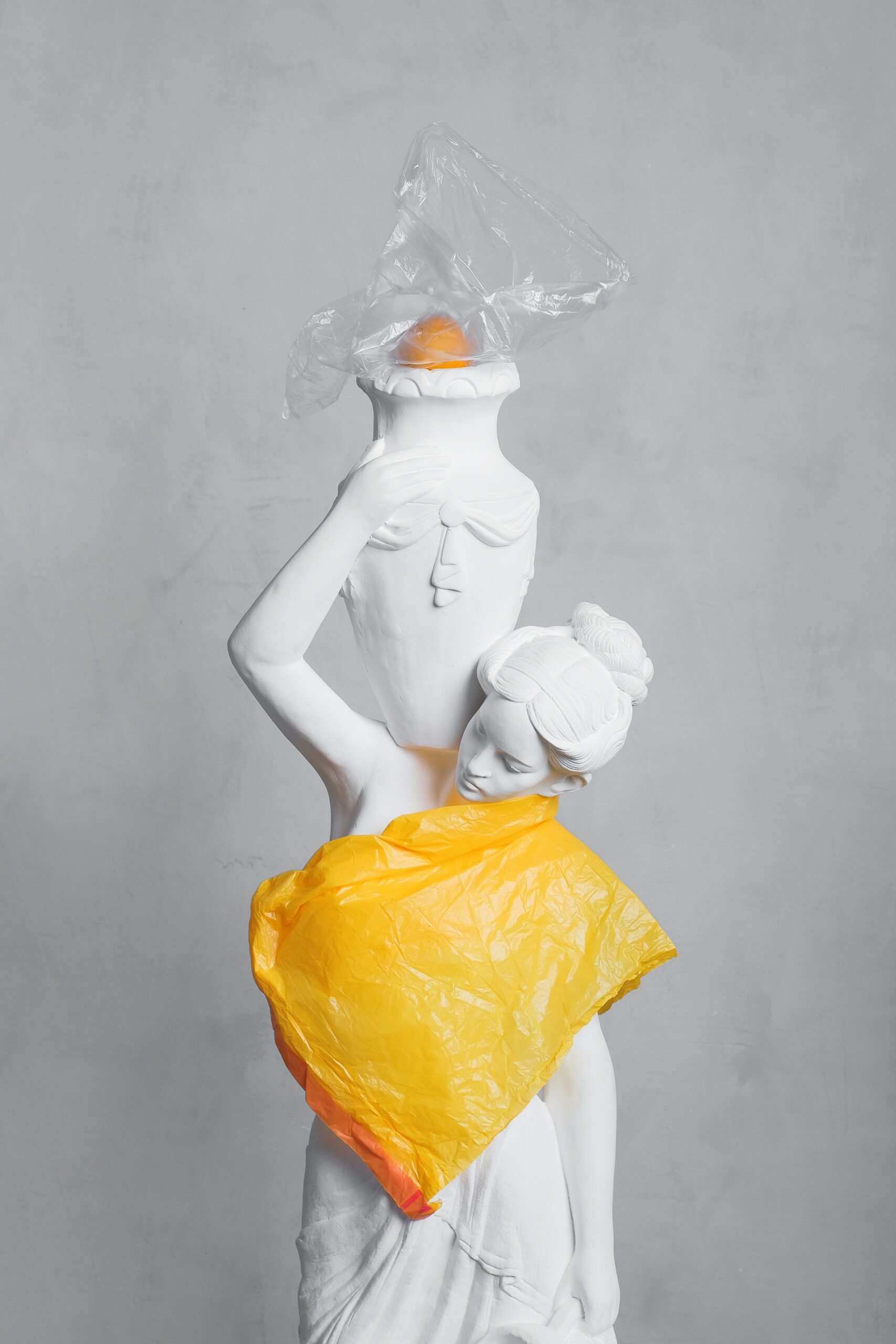
SOZAI - MEDIUM
According to Gibson, substances are materials that make up the solid, structured parts of the environment. They may include everything from a rock, human flesh, metals, to fossils.
The term sozai may be translated as a ‘material,’ ‘art medium,’ or a ‘fabric.’ The meaning of sozai already contains within itself an intention to turn substances as a medium for making something by someone.
As a medium to be worked with, sozai mediates and transforms the shutai‘s relationship to his or her environment. Sozai renders the environment meaningful for the shutai working with it, turning sozai into a symbol enabling communicative action and symbolic interaction.
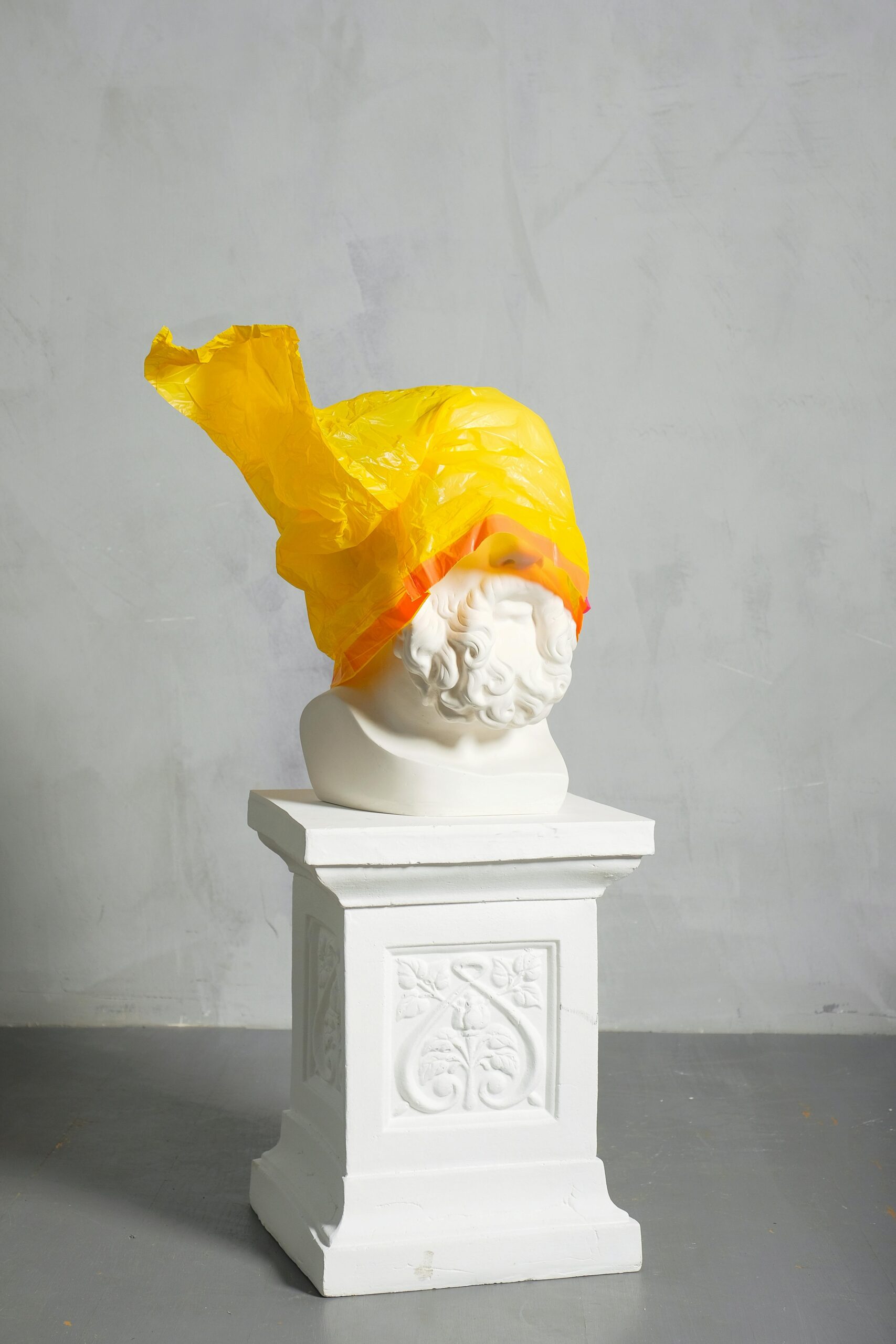
BAMEN - SEMANTIC IMAGE
Bamen may be translated as a ‘situation,’ ‘scene,’ or a ‘setting.’ It constitutes surfaces, which are boundaries where substances meet the medium, into a temporal experience. Gibson considered surfaces the most important component for perception because they are where most meaningful information is created and where most affordances exist.
My working hypothesis is that bamen does not just turn surfaces into any kind of temporal experience but specifically into episodic memories. Episodic memories are neurocognitive systems that enable ‘mental time travel through subjective time, from the present to the past, thus allowing one to re-experience, through autonoetic awareness, one’s own previous experiences (Tulving 2002, 5).
As a cultural-linguistic category, bamen may also be understood as a medium through which episodic memories etched in the brain are also made retrievable and renderable as images that may be enacted and shared through variety of media. As such, my guess is that bamen is a semantic category and a visual unit which renders, while being rendered by episodic memories – thus enabling individuals and groups to unlearn and relearn.